
The Elephant Man Drug Trial: What Happened in March 2006?
In March 2006, a clinical trial conducted in the United Kingdom became infamous after several participants experienced catastrophic side effects. Known as the “Elephant Man drug trial”, this trial involved the experimental drug TGN1412, which was developed by the German pharmaceutical company TeGenero. The trial, which took place at Northwick Park Hospital in London, resulted in severe adverse reactions for six healthy volunteers, leading to intense media scrutiny and legal action.
What Was TGN1412?
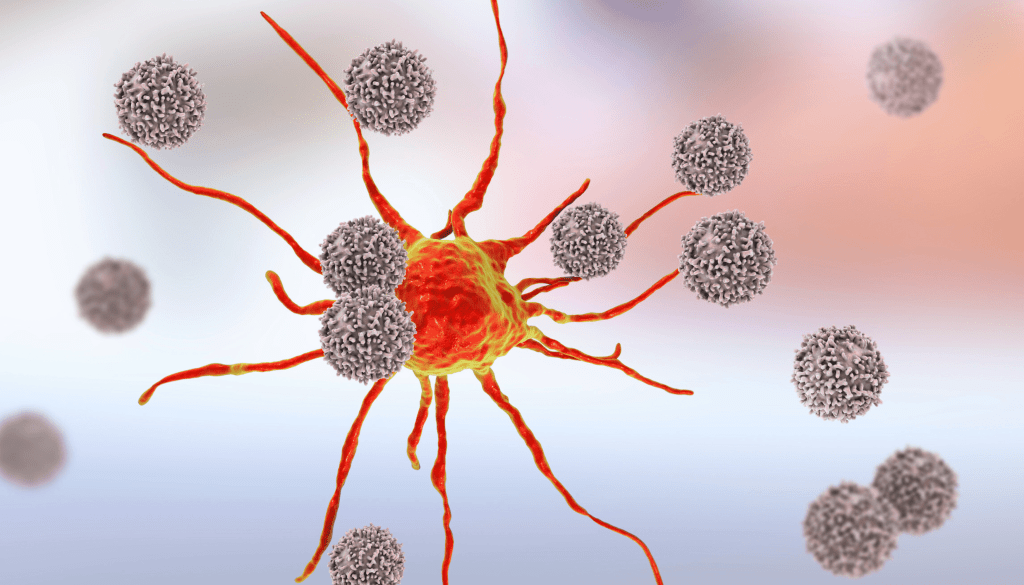
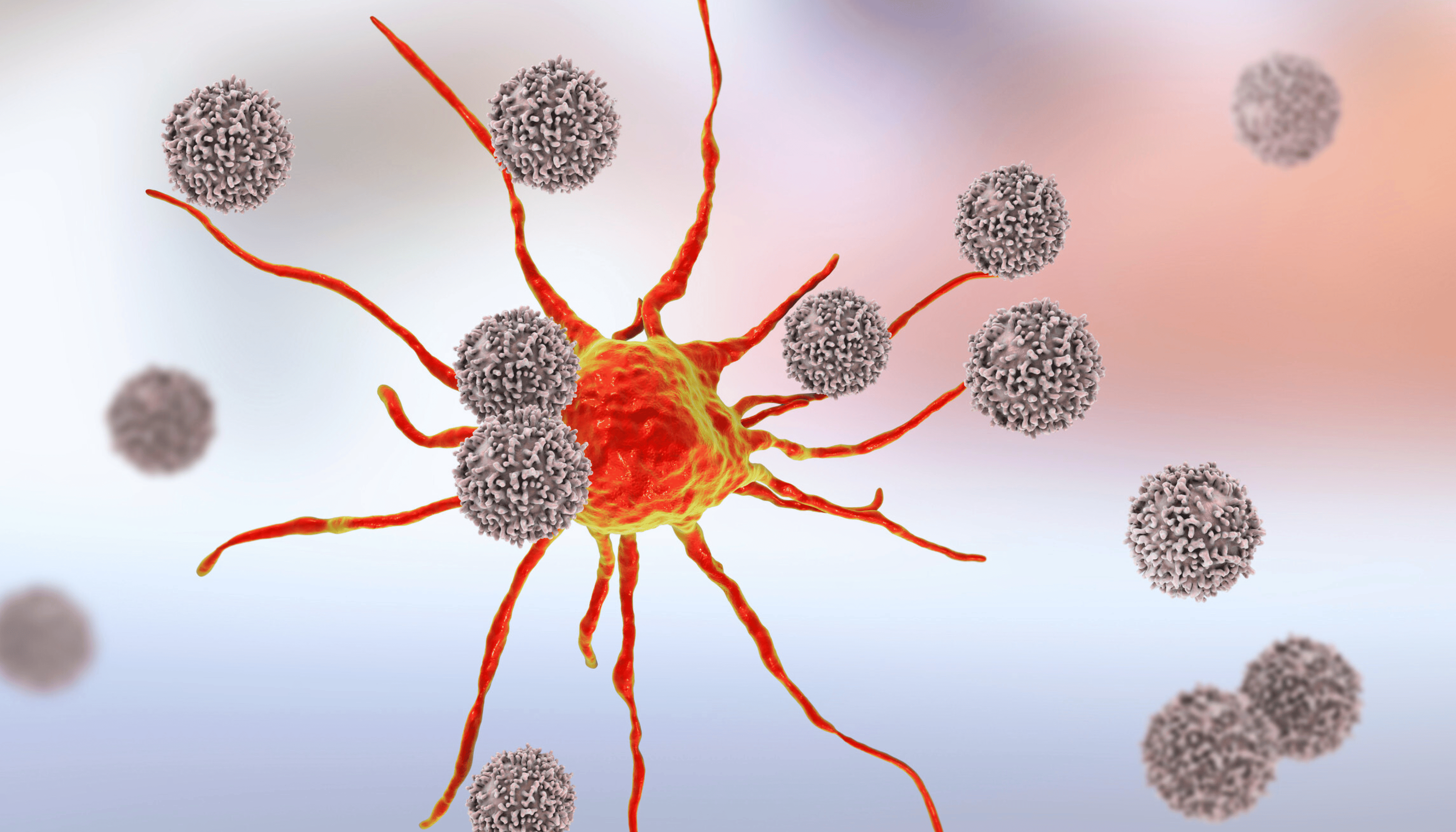
TGN1412 was an experimental drug designed to treat autoimmune diseases such as rheumatoid arthritis and multiple sclerosis. It was a type of monoclonal antibody, meant to modulate the immune system by targeting and activating T-cells, a type of white blood cell responsible for the immune response. The drug had shown promise in laboratory and animal tests, but the effects on humans were unknown before the 2006 trial.
The Trial Setup
The Phase I clinical trial involved eight volunteers, all healthy men, who were compensated for their participation. The goal was to evaluate the safety and tolerability of TGN1412 at a clinical research organization called Parexel, located within Northwick Park Hospital. Two of the eight participants were given placebos, while the remaining six received TGN1412.
The trial was carried out in a double-blind manner, meaning neither the participants nor the researchers knew who had received the drug and who had received a placebo.
The Catastrophic Reactions
Within hours of being administered the drug, the six men who received TGN1412 began experiencing extreme and life-threatening side effects. They suffered from multiple organ failure, swelling, and what doctors described as a “cytokine storm”, where the immune system overreacts, leading to inflammation and severe tissue damage. The most visible reaction was severe swelling, leading to the term “Elephant Man” in the media, referencing the disfigurement experienced by the participants, similar to the deformities associated with Joseph Merrick, also known as the “Elephant Man.”
One participant, Ryan Wilson, was the worst affected, losing fingers and toes due to gangrene caused by the immune reaction. All six participants were admitted to intensive care, where they were stabilized, but their lives were permanently altered.
Aftermath and Investigations
The Medicines and Healthcare products Regulatory Agency (MHRA) launched an investigation into the incident. The MHRA concluded that there was no fault in the way the trial had been conducted and that the adverse reactions were unexpected. The dosing of TGN1412 was at levels far lower than had been shown to be safe in animal testing, particularly in monkeys, which had led researchers to believe the drug would be safe in humans.
However, the trial’s aftermath raised serious questions about the safety of Phase I clinical trials, especially those involving immune-modulating drugs. It was later revealed that the drug activated T-cells far more aggressively in humans than in animals, leading to the catastrophic immune response.
Legal and Ethical Implications
In the wake of the trial, the participants received financial compensation for the injuries they sustained, though some felt the compensation was insufficient given the severity of their long-term health problems. TeGenero, the company behind the drug, went bankrupt due to the fallout from the trial.
The incident led to calls for stricter regulations and guidelines for first-in-human trials, especially those involving novel biological treatments. The trial exposed gaps in the understanding of how drugs affect the human immune system compared to animals, leading to more cautious approaches in subsequent trials.
Legacy and Impact on Clinical Research
The Elephant Man drug trial is often cited as a turning point in the regulation of clinical trials, particularly for biologicsand immune-modulating drugs. The case highlighted the unpredictable nature of human immune responses and the need for better preclinical testing before transitioning to human trials. It also raised awareness about the ethical responsibilities involved in clinical trials, especially when involving healthy volunteers.
The lessons from this trial have led to stricter safety protocols in early-stage clinical research and more stringent oversight by regulatory bodies like the MHRA. Modern clinical trials now involve more gradual dose escalation and increased safety monitoring, particularly for drugs that target the immune system.
The Elephant Man drug trial remains a sobering reminder of the risks involved in clinical trials, even when testing drugs that appear promising in animal studies.
 Paid Clinical Trials UK
Leave a comment