

What Are Decentralized Clinical Trials? Understanding Remote Clinical Research
In the ever-evolving world of clinical research, one of the most groundbreaking innovations has been the rise of decentralized clinical trials (DCTs). These trials rely on digital technology and remote monitoring to reduce the need for participants to visit central trial sites, offering greater convenience and broader access to diverse patient populations. In this blog, we’ll dive into how decentralized trials are reshaping clinical research and how both participants and researchers benefit from this new approach.
What Are Decentralized Clinical Trials?
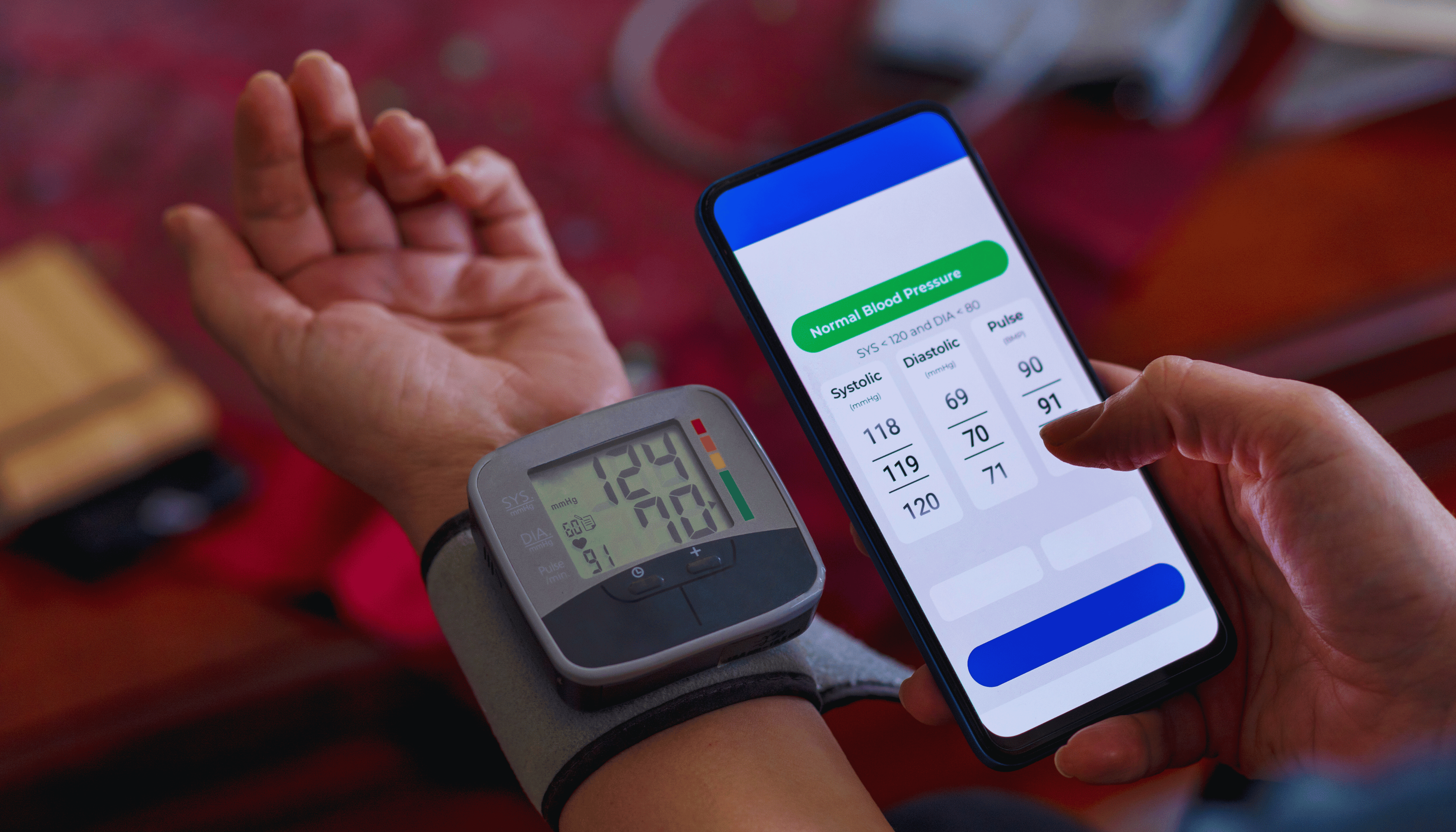
Decentralized clinical trials (DCTs) allow participants to engage in clinical research remotely, often from their homes. Utilizing tools like mobile apps, wearable devices, and telemedicine, participants can be monitored and provide data without needing frequent in-person visits to a hospital or clinic. By leveraging remote technology, DCTs make clinical research more accessible for patients, regardless of geographical limitations.
To learn more about decentralized trials and the technology behind them, check out Medable’s guide to decentralized trials.
How Do Decentralized Clinical Trials Work?
The core difference between decentralized and traditional trials lies in the reduced need for physical interaction. Here’s how decentralized clinical trials generally operate:
- Recruitment and Enrollment: Participants are recruited through digital platforms and may be enrolled after completing an online screening process. This reduces the paperwork and time traditionally required in in-person trials.
- Remote Data Collection: Participants use digital devices like smartphones or wearable health trackers to record data such as heart rate, glucose levels, or activity patterns. This data is sent to researchers in real-time.
- Virtual Appointments: Participants meet with doctors and trial staff through telemedicine for regular check-ups and to discuss the trial’s progress. This eliminates the need for frequent travel to clinical sites.
To see examples of platforms that help enable decentralized trials, visit ClinicalTrials.gov for ongoing studies that leverage remote technology.
Benefits of Decentralized Clinical Trials
Decentralized clinical trials offer many advantages over traditional clinical trial models, particularly when it comes to accessibility and efficiency.
1. Increased Access to Trials
Because DCTs eliminate the need for participants to travel to a central site, they open up participation to people who live in rural or underserved areas. This helps clinical research become more inclusive, allowing researchers to engage with a broader and more diverse participant pool.
2. Improved Participant Retention
By reducing the logistical challenges (like travel, time off work, and childcare needs) that often lead participants to drop out of trials, DCTs have a higher retention rate. The flexibility allows participants to integrate trials into their daily lives with minimal disruption.
3. Continuous Data Monitoring
Wearables and mobile devices enable real-time data collection, which provides researchers with continuous insights into a participant’s health and the treatment’s effectiveness. This ongoing data collection leads to more accurate and comprehensive trial results.
For more about how wearables are impacting decentralized clinical trials, visit Healthline’s guide to wearable health technology.
4. Cost-Effectiveness for Sponsors
Decentralized trials reduce the overhead costs associated with operating central trial sites, making them more cost-effective for pharmaceutical companies and research organizations. The reduction in physical infrastructure leads to significant savings, allowing sponsors to run trials more efficiently.
Challenges of Decentralized Clinical Trials
While decentralized clinical trials bring a host of benefits, they also come with certain challenges.
1. Data Privacy and Security
With more data being collected remotely via digital devices, there are concerns over the privacy and security of participants’ health data. Researchers must ensure compliance with regulations such as the GDPR in Europe and HIPAA in the U.S. to protect sensitive patient information.
For more on maintaining data security in clinical trials, see FDA’s guidelines on data integrity.
2. Technology Barriers
Not all participants may have access to the required technology (e.g., smartphones, reliable internet) needed for participation in a DCT. This digital divide can exclude certain populations, which may skew trial results. Sponsors must ensure that all participants have equal access to the necessary technology.
3. Regulatory Challenges
While decentralized trials are growing in popularity, regulators are still developing frameworks to oversee them. Ensuring compliance with different regional laws and maintaining safety protocols for remote trials is crucial.
The Future of Clinical Research: Embracing Decentralization
The COVID-19 pandemic has further accelerated the adoption of decentralized clinical trials, making them the new norm for many pharmaceutical companies and research organizations. By allowing patients to participate in trials from home, DCTs are reshaping clinical research and offering faster, more efficient ways to test new treatments.
Tools like artificial intelligence (AI), machine learning, and wearable devices will continue to enhance decentralized trials, making them more accurate, efficient, and cost-effective. As this model becomes more widespread, patients will benefit from increased access to innovative treatments, while sponsors will see quicker trial results.
For further insights on the future of decentralized trials, visit PharmaTimes’ article on the rise of decentralized trials.
 Paid Clinical Trials UK
Leave a comment